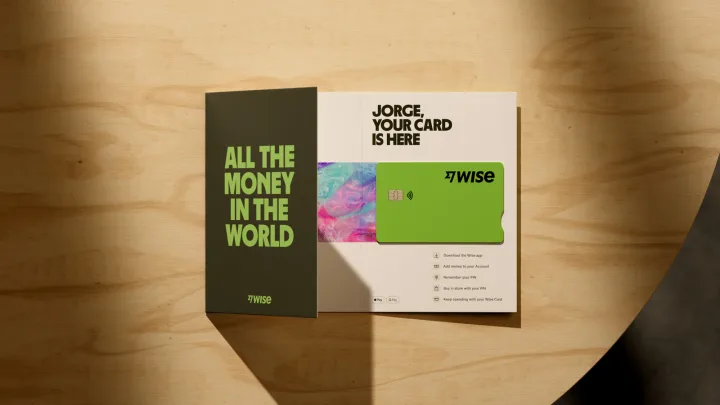
Wise Business: my guide to overseas client payments
I use Wise in my business toolkit. My guide covers setup costs, receiving payments, currency conversion and the details to agree with overseas clients.

I run Draper Digital and use Wise. For an overseas client payment, I want to know the full cost from the invoice currency to the money available to the business. Here is the comparison I recommend making before choosing a payment route.
- Your benefit
- Use my Wise invitation to see your transfer or card offer. The available benefit depends on your country and account type.
Eligibility, conditions and what I receive
To qualify: Use the referral link and follow the terms shown for your country and account type. Any discount and qualifying activity depend on the invitation.
Conditions: No fixed cash bonus or discount amount is promised here. Business setup and transaction fees may apply. Check the complete quote before sending money.
My reward: I may receive £15 for a qualifying personal referral or £75 for a qualifying business referral under my programme.
Check the provider’s current terms before applying.
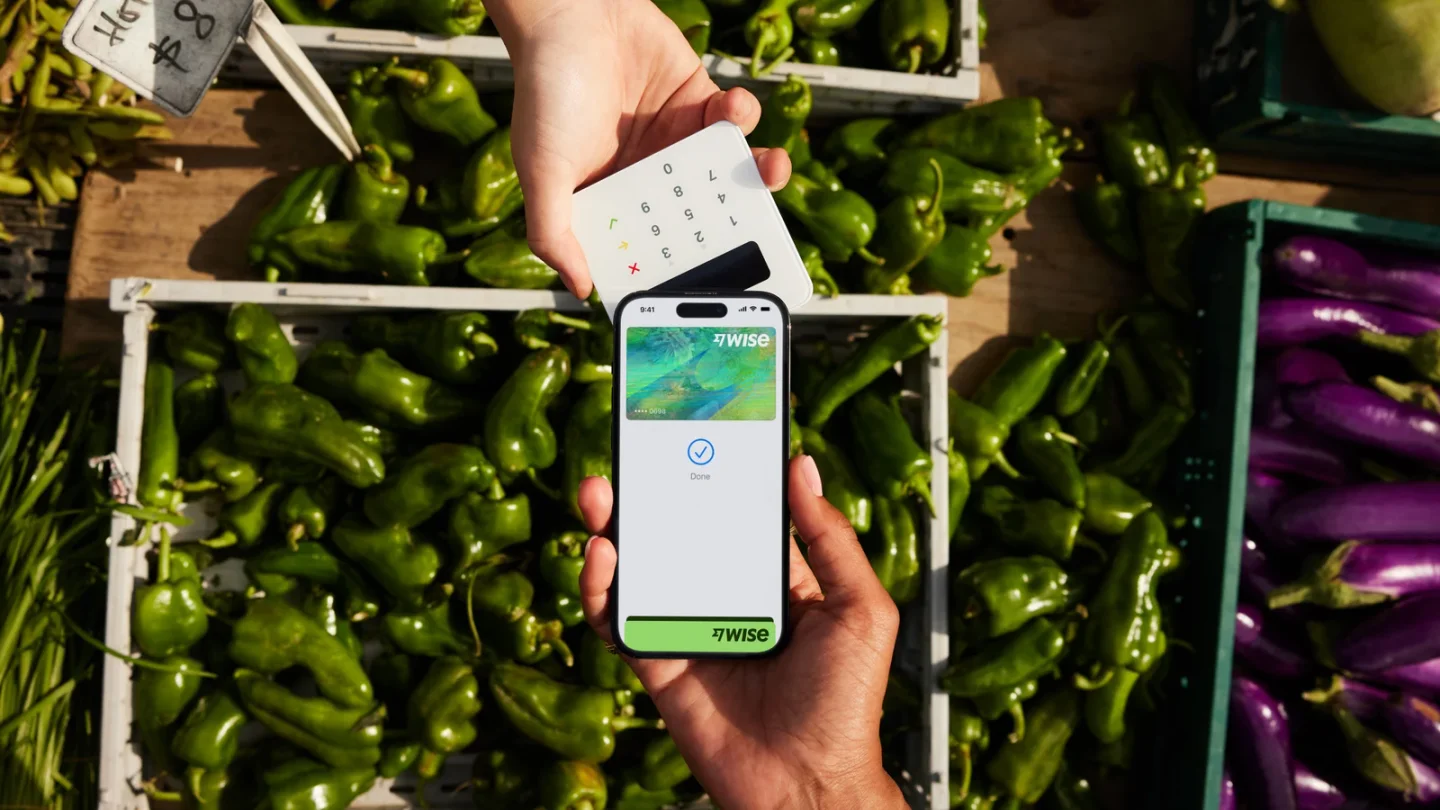
Map the payment before looking at a fee
Write down the invoice currency, the client’s sending currency and the currency you need to spend. They may all be the same, or conversion may happen at one or more stages. Decide which party arranges the conversion and who is responsible for the agreed fees.
Then identify the actual sending and receiving method. A domestic transfer into local account details and an international SWIFT payment can have different charging arrangements even when the currency is the same. Give the client the instructions for the route you intend to use, and confirm its finance team can use that route.
- Invoice amount and currency.
- Amount and currency the client will send.
- Transfer method and receiving details.
- Any conversion after receipt.
- Currency and amount ultimately available to your business.
Separate setup, receiving and conversion costs
Wise’s UK Business pricing page, checked on 17 September 2026, lists a £50 one-off setup charge. Transaction charges depend on the currencies and payment method. A headline starting rate is not a quote for every transfer.
Check the receiving method as well as the sending fee: some domestic receipts are free while particular wire or SWIFT receipts carry a charge. Use the current fee information for the route you will actually use, then include the cost of any later conversion or onward payment. Do not assume that receiving money and converting it are one charge.
Keep the one-off setup cost visible when comparing an occasional overseas invoice. For a recurring workflow, you can also show how it spreads over an assumed number of payments, clearly labelling the assumption. Do not treat projected future payments as confirmed business.
Make a dated, like-for-like comparison
Obtain quotes close together for the same transaction, holding the client’s total sending cost constant where possible. Record the quoted amount available in your final currency. A quote in the invoice currency is incomplete if you will convert it again before using the money.
For illustration only, suppose route A quotes £1,970 and route B £1,958 after the same sender cost. The difference is £12. These are fictional figures, not a Wise quote or a promised saving. Any setup cost, unquoted intermediary charge or extra operational work still needs to be considered.
Leave unknown charges marked as unknown. Record when a quote expires and avoid reusing it for a different amount or another day. Once paid, compare the amount that actually arrives with the earlier quote; this gives you evidence for the next invoice.
- Quote date and time.
- Same sender cost and intended final currency.
- Fees included in the quote and fees still uncertain.
- Estimated timing and any conditions attached to it.
- Actual received amount and explanation of any difference.
Understand safeguarding and bank protection
Wise Payments Limited is not a bank. Its UK payment and e-money services safeguard customer funds and are not covered by the FSCS bank-deposit scheme. Safeguarding and deposit insurance are different arrangements; do not describe one as the other.
Read the UK entity’s explanation for the service you intend to use. Separate investment products have different arrangements and are outside the scope of this payments guide. Decide how much money you need to leave in the payment workflow rather than assuming every service is interchangeable with your main bank account.
Check the business and workflow are supported
Wise supports a range of business structures, including sole traders and limited companies, but availability also depends on location and business activity. Its published guidance lists excluded structures and activities. Check your specific case before building the client’s billing process around it.
Also check the people and records involved. Confirm who may access the account, how you will retrieve statements and how the invoice reference appears in payment records. A low quoted charge is less useful if the route cannot be used by the client or is difficult to reconcile.
Keep a useful record of the first payment
Before invoicing, confirm the chosen payment instructions through the provider and your established client contact. Record what was agreed, including the invoice reference and fees. Verify any later change in payment details through an independently known contact method.
After receipt, match the payment to the invoice and retain the supporting transaction information. Note anything that needed manual intervention. That record can help you decide whether to repeat the route, ask the client to change its process or use another option next time.
Using the referral link
Open the Wise invitation using the referral button on this page. Check the account type, country and any discount shown before you continue. Wise offers different invitation benefits by region; this page does not promise a particular free-transfer allowance, free card or cash bonus.
I may receive £15 for a qualifying personal referral or £75 for a qualifying business referral under my programme. Those are my referral rewards. Complete the steps in the actual invitation rather than assuming account opening alone is enough.
Use my Wise invitation to see your transfer or card offer. The available benefit depends on your country and account type.
- Your benefit
- Use my Wise invitation to see your transfer or card offer. The available benefit depends on your country and account type.
Eligibility, conditions and what I receive
To qualify: Use the referral link and follow the terms shown for your country and account type. Any discount and qualifying activity depend on the invitation.
Conditions: No fixed cash bonus or discount amount is promised here. Business setup and transaction fees may apply. Check the complete quote before sending money.
My reward: I may receive £15 for a qualifying personal referral or £75 for a qualifying business referral under my programme.
Check the provider’s current terms before applying.
Sources & checks
- Wise: UK Business pricing ↗Checked 17 September 2026
- Wise: how its UK entity safeguards customer funds ↗Checked 17 September 2026
- Wise: can my business use Wise? ↗Checked 17 September 2026
- Wise: how the partnership invite programme works ↗Checked 17 September 2026
Written with AI assistance and editorial review. How I write these guides.